
Understanding the Importance of Regular Maintenance
Trees are a vital part of our environment, providing shade, beauty, and habitat for wildlife. However, without proper maintenance, they can pose serious risks. Falling branches can damage property, injure people, or even cause fatalities. Understanding how to manage these hazards is crucial for maintaining safety. Regular maintenance plays a significant role in ensuring that trees remain an asset rather than a threat. This article explores how effective management can prevent potential dangers.
Benefits of Pruning and Maintenance
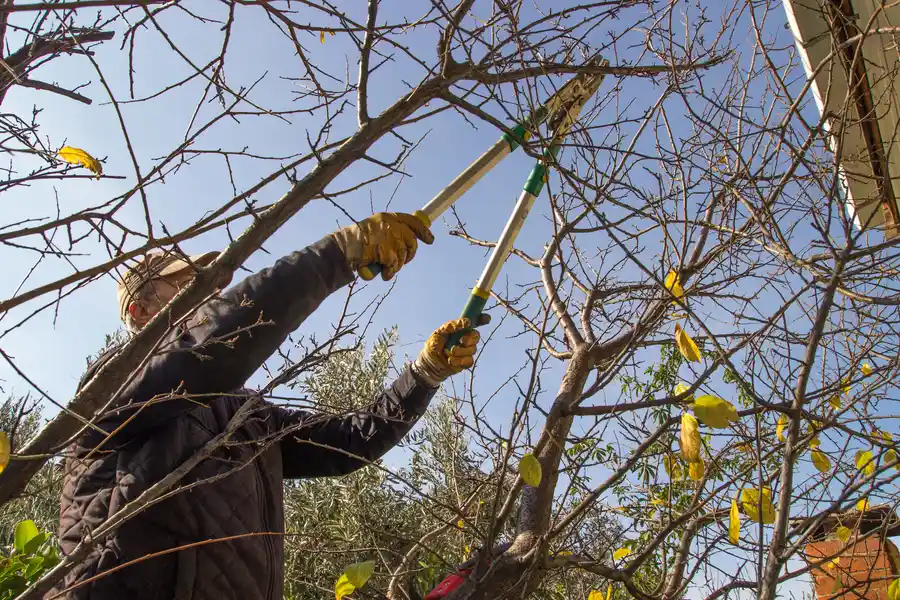
Pruning is more than just an aesthetic practice; it’s essential for tree health and safety. Proper trimming encourages growth by removing dead or diseased branches. This helps maintain balance and prevents limbs from becoming too heavy or overgrown. Additionally, well-maintained trees are less likely to fall during storms. These benefits underscore the importance of regular attention to tree care.
Recognizing Common Hazards
Despite their strength, trees can suffer from common issues that compromise their stability. Broken limbs, root rot, and pest infestations are frequent problems. These conditions increase the risk of branches falling unexpectedly. Identifying signs of distress is key to preventing accidents. Regular inspections help catch these issues early, allowing for timely intervention.
Implementing Effective Solutions
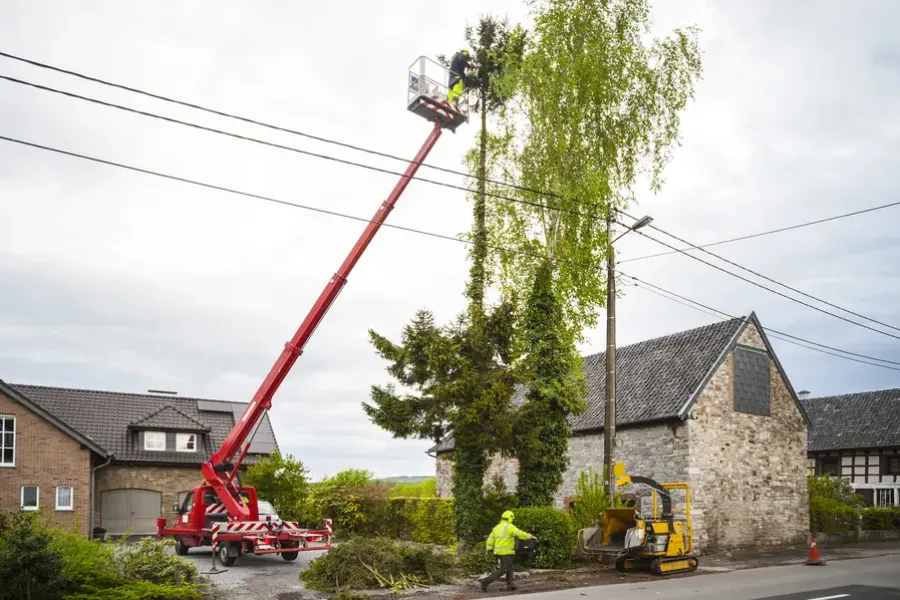
Addressing branch hazards involves a proactive approach. One effective method is through professional tree trimming. Experts assess the health of each tree, identifying which branches need removal to reduce weight and imbalance. Utilizing expert services ensures precision and safety during the trimming process, minimizing future risks.
Best Practices for Safe Maintenance
Maintaining tree health requires adherence to best practices. First, ensure you have the right tools and protective gear before starting any work. Second, never attempt to trim large trees without professional assistance due to the inherent risks involved. Lastly, schedule regular assessments with arborists who offer tailored advice for your specific needs.
- Use appropriate tools and safety equipment
- Contact professionals for large-scale jobs
- Regularly inspect trees for signs of disease or decay
Industry Standards for Quality Assurance
Tree maintenance falls under certain industry standards designed to protect both the worker and the public. Compliance with these guidelines is mandatory for professional services. Standards include the use of certified equipment and techniques that adhere to safe environmental practices. Ensuring compliance guarantees that your trees are managed according to best industry practices.
Evaluating Cost and Time Factors
Caring for trees doesn’t have to be costly or time-consuming if planned properly. The cost of preventive maintenance like tree trimming is often lower than dealing with damages caused by neglect. Consider setting a routine schedule that fits your budget while ensuring thorough care. Investing in quality services can provide long-term savings by preventing major repairs or replacements.
Your Path to Safer Trees
Maintaining safe and healthy trees requires effort but offers significant rewards in terms of safety and aesthetics. By understanding the critical role tree trimming plays, you can make informed decisions about maintenance strategies. Contact Steven's Landscaping at (845) 313-6070 today to discuss your tree care needs. Based in Bloomingburg, NY, I am dedicated to helping you achieve a safer environment through expert maintenance services.